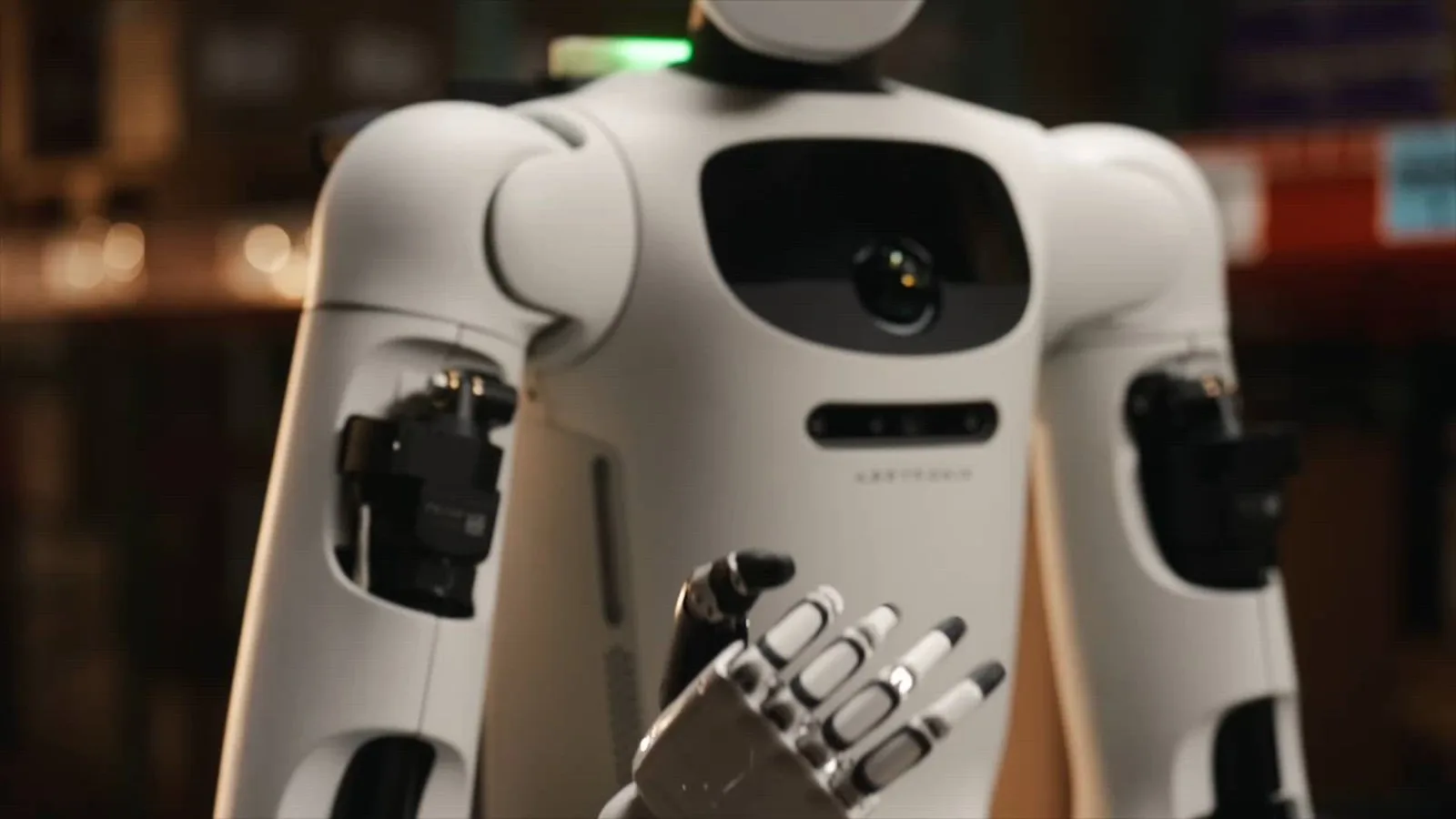
Apptronik's Apollo 2 Humanoids Sorted Car Parts on Real Mercedes Lines With a 96% Success Rate
Google DeepMind says Apptronik's Apollo 2 humanoid robots, running its new Gemini Robotics 2.5 model, sorted metal brackets into trays on active Mercedes-Benz production lines in Germany and Hungary with a 96% success rate.
So basically: Humanoid robots just did real work inside two Mercedes-Benz car factories. Apptronik’s Apollo 2 robots reached into bins, grabbed metal brackets and put them into trays in the exact order each car on the line needed them. Google DeepMind, which made the AI running the robots, says they got it right 96% of the time.
Where this happened
The test ran on active production lines at two Mercedes plants: Kecskemét, Hungary and Sindelfingen, Germany. These weren’t fake demo rooms. Cars were being built while the robots worked.
The job is called kitting. Before parts go to the assembly line, somebody has to pull them out of big bulk bins and sort them into trays in the right order for each specific car. It’s boring, it’s physical, and it has to be right, because if a tray is out of order, the line can stop.
How the robots did it
Google DeepMind announced its new robot AI, Gemini Robotics 2.5, on Nov. 10. The Mercedes test was the real world proof of it.
Here’s how it worked:
- One AI model kept track of the whole job, like a supervisor keeping a checklist
- The Gemini Robotics 2.5 model controlled the robot’s arms and hands
- The robot picked up metal brackets and placed them into sequencing containers
- It fixed gaps on its own when something was missing
Apollo 2 uses a five finger hand called the SharpaWave, with 22 degrees of freedom. That basically means a lot of separate joints, so it can grab things more like a person does.
Apptronik CEO Jeff Cardenas said the robots improved “dramatically in just a few weeks” of extra training and carried over to the Mercedes plants “with very little drop-off.”
Other numbers DeepMind shared
DeepMind tested the new model on more than 200 tasks, like serving food with tongs, tying a bow on a gift box and pipetting liquid. It says the new version had a 30% to 100% higher success rate than its last one, depending on the task, and finished tasks 20% to 30% faster.
It also says new safety features boosted safe task completion around obstacles by 33% and around nearby people by 43%.
The fine print
Tech Times pointed out something important. DeepMind didn’t say how many tries that 96% came from, what counted as a success, or how often a human had to step in. Getting 24 out of 25 right and 960 out of 1,000 right both round to 96%, but they mean very different things.
It’s also worth knowing Mercedes isn’t a random test site. Mercedes signed a deal with Apptronik in 2024 and has invested in the company since then, along with Google. So everybody involved wants this to look good.
And 96% sounds great, but factories need way better than that for a full shift. Tech Times did the math: if a kit takes 10 picks and each one works 96% of the time, the whole kit comes out right only about two thirds of the time.
What’s next
DeepMind says Gemini Robotics 2.5 is rolling out to its robotics partners. There’s no public release date or price. Apptronik has been building Apollo for exactly this kind of factory work, and Mercedes has been testing it for a couple years now.
My take
This is the kind of humanoid news I actually care about. Not dancing, not kung fu, just a robot standing on a real car line sorting parts all day. That’s the job nobody wants and the job these robots are built for. I’d love to see the real numbers behind that 96% though. When Mercedes starts paying for these robots instead of just testing them, that’s when we’ll know they’re ready.
So basically — pass it on.
Daily Updates
Get new stories in your inbox
Near-future tech when it moves. Robots, space, EVs, AI. No spam.