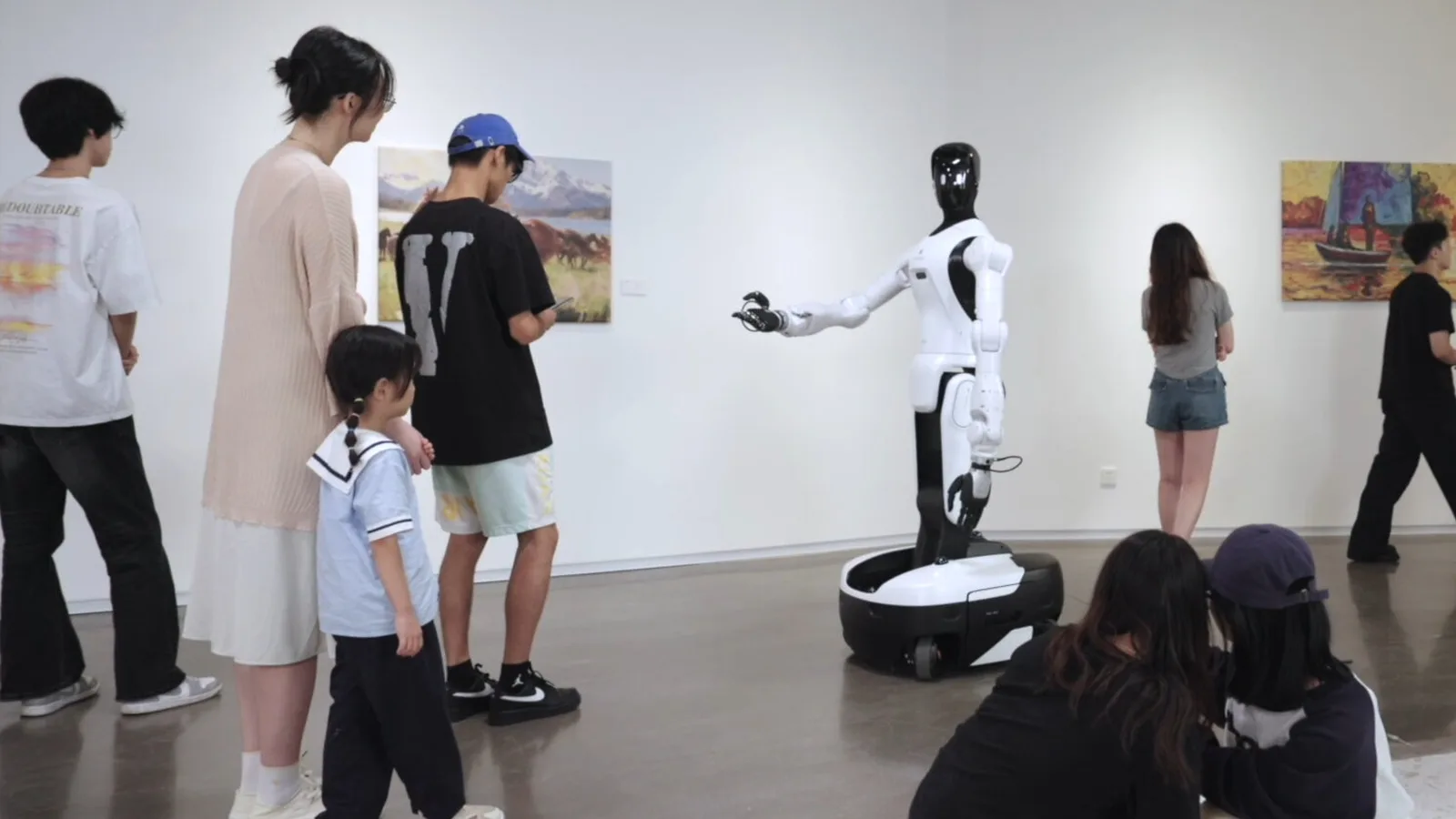
AGIBOT's Robots Just Started Working Inside a Chip Factory
AGIBOT's first batch of G2 robots went into a live chip testing line at JCET's automotive chip plant in Lingang, Shanghai. The robots load and unload test trays and sort good chips from bad ones without a person stepping in. It's still a trial run.
So basically: AGIBOT, the Shanghai humanoid robot maker, just put its first batch of G2 robots to work inside a real chip factory. They’re on a live chip testing line at JCET’s automotive chip plant in Lingang, Shanghai. The robots load trays of chips into test machines, pull them back out, and sort the good chips from the bad ones without a person stepping in. It was reported on Nov. 23, and it’s still a trial run.
Who JCET is
JCET isn’t the company that designs chips or prints them onto silicon. It does the step after that. It packages the finished chips and tests them before they ship out to carmakers and electronics companies.
East Asia Brief calls JCET the world’s third largest company doing outsourced chip assembly and testing. The Lingang plant focuses on automotive grade chips, the kind that go into cars and have to survive heat, cold and vibration for years.
What the robots actually do
The job is tray handling. In a chip test workshop, chips sit in trays that move between testing machines all day. Somebody has to keep feeding them in and pulling them out.
According to the reports, the G2 robots:
- Load trays of chips that are waiting to be tested
- Unload trays after testing is done
- Sort chips that passed from chips that failed, based on the test results
The bigger deal is how they’re hooked up. The robots are connected to the plant’s MES and EAP systems. MES is the software that runs the factory’s production schedule. EAP controls the actual equipment. So the robots aren’t off in a corner doing a demo. They’re taking orders from the same systems that run the line.
Still a trial
This is not full production yet. East Asia Brief says the deployment is in a parallel trial phase, running alongside the plant’s normal process to make sure nothing gets disrupted.
Neither company has said how many robots are in the first batch, how fast they work, or whether they help the plant’s yield. The next step is testing the robots on more packaging and testing processes.
The G2
AGIBOT launched the G2 in October 2025. It has a humanlike upper body with two arms sitting on a wheeled base, so no legs to worry about. Some specs from AGIBOT’s launch release:
- A waist with 3 degrees of freedom, so it can bend, twist and lean sideways
- Force controlled arms with torque sensors along the whole arm, so it can feel when it bumps something and back off
- Two hot swappable batteries plus self charging, so it can run around the clock
- An NVIDIA Jetson Thor T5000 computer onboard, rated up to 2,070 TFLOPS
- Passed testing from minus 15°C to 50°C, plus electrostatic protection
That last one is a quiet but important detail. Static electricity can ruin a chip, so anything moving chips around has to be built not to zap them.
AGIBOT keeps adding jobs
We’ve seen the G2 run a 24 hour convenience store shift in Shanghai and work on a tablet production line. AGIBOT said it built its 15,000th robot in June, and one of the robots it sent to a Chinese theme park in September was its 20,000th. Chip testing is one of the strictest places it’s been so far.
My take
This is the kind of robot job I think will actually stick first. It’s not flashy. It’s carrying trays back and forth and sorting by a pass or fail signal. But it’s in one of the cleanest, pickiest factory floors there is, and the robots are plugged into the real factory software. If a humanoid can work there without messing anything up, regular warehouses and parts plants are a lot easier. I’d love to see real numbers though. How many robots, how many trays an hour, and how often a person has to step in. Until they share that, it’s a promising trial and not proof yet.
So basically — pass it on.
Daily Updates
Get new stories in your inbox
Near-future tech when it moves. Robots, space, EVs, AI. No spam.