Europe's Biggest Satellite Factory Just Opened in Belgium, and It Can Build 500 Satellites a Year
Belgian satellite maker Aerospacelab opened a 20,000 square meter megafactory in Charleroi that can build up to 500 satellites a year. It will make 264 of the 348 satellites for IRIS², Europe's answer to Starlink, and the company changes its name to Ectro on Nov. 30.
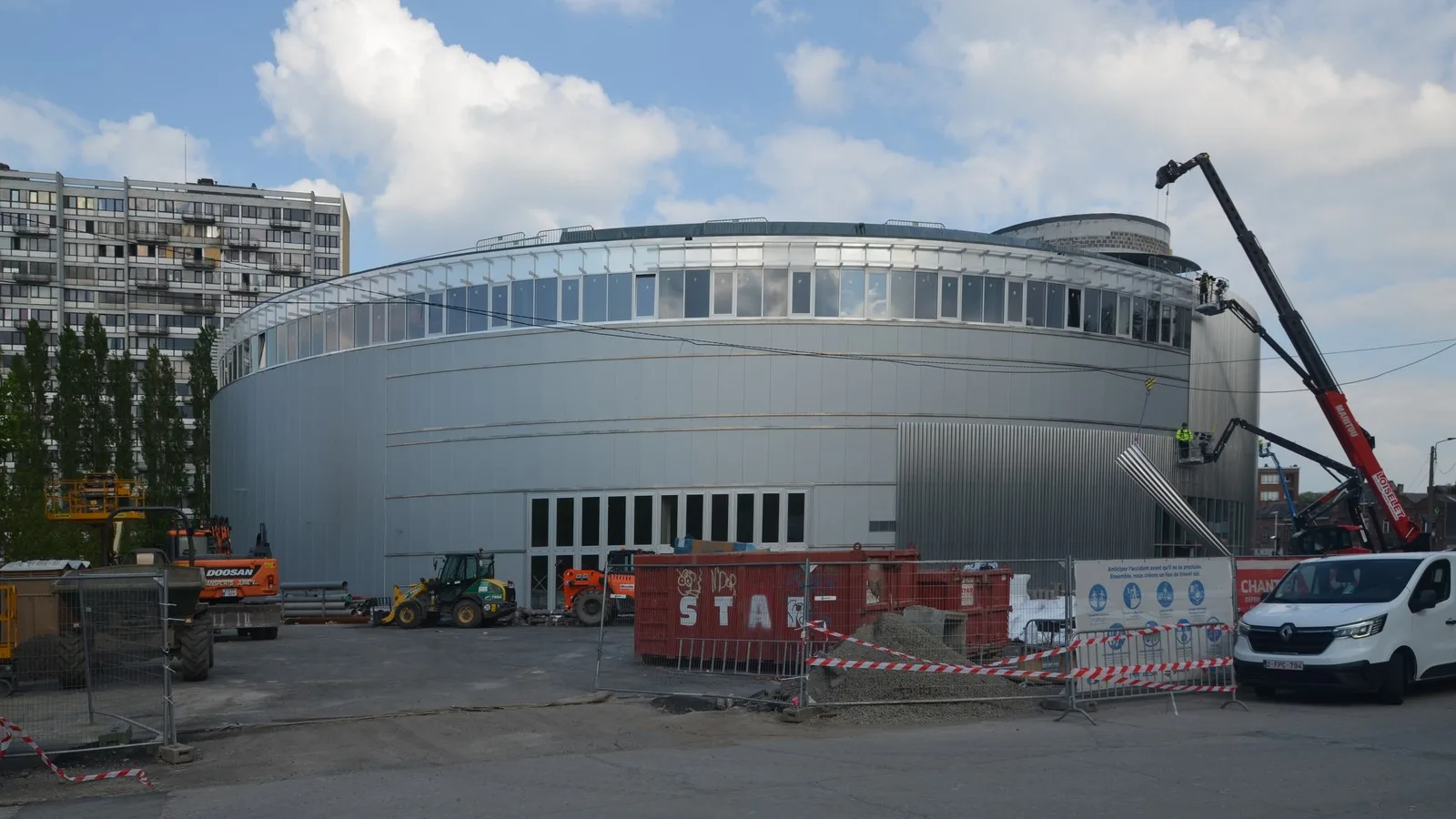
So basically: Europe now has a satellite factory big enough to build 500 satellites a year. Aerospacelab, a Belgian satellite maker, opened its new “megafactory” in Charleroi, Belgium on Tuesday, Nov. 24, with King Philippe there to officially open it. Its biggest job is building most of the satellites for IRIS², Europe’s own version of Starlink. And starting Nov. 30, the company won’t be called Aerospacelab anymore. It’s changing its name to Ectro.
The factory
Here’s what Aerospacelab built:
- 20,000 square meters, about 215,000 square feet, in an oval-shaped building
- A 100 million euro investment
- Capacity for up to 500 satellites a year
- 500 workers to start, growing to 1,000 by the end of 2027
According to the Belgian royal palace, that capacity would make it the third largest satellite production site in the world. Employees are expected to move in starting in January, and production is set to start by the end of 2028.
The factory sits in Marcinelle, part of Charleroi, an old coal and steel city in Wallonia, the French-speaking south of Belgium. A thousand high tech jobs is a big deal there.
This all came together fast. Benoît Deper founded the company in 2018. It announced the megafactory plan in 2022 and started construction in May 2024.
The big contract
The factory already has plenty of work lined up. In September, Aerospacelab won a 2.4 billion euro contract, about $2.6 billion, to build 264 of the 348 satellites in the IRIS² network.
IRIS² is a European Union satellite constellation meant to give European governments secure, fast communications, especially in emergencies, along with service for businesses. A group of European satellite operators called SpaceRISE, made up of Eutelsat, SES and Hispasat, is in charge of building and running it. The plan grew in August from 282 satellites to 348, mostly because of defense and security needs. The first launches are planned by the end of 2029.
The European Commission has openly called IRIS² a way to get “space sovereignty” in the face of constellations like Starlink. Europe has watched how much Ukraine’s military depends on SpaceX’s network, and it doesn’t want to rely on one American company.
How far behind Europe is
Here’s where the satellite internet race stands:
- SpaceX says it has more than 11,000 Starlink satellites in low Earth orbit
- Amazon Leo has launched more than 400, with an initial goal of more than 3,200
- Eutelsat’s OneWeb runs more than 600
- IRIS² has 348 planned and none in orbit yet
So 348 satellites isn’t going to match Starlink on size. The point is that Europe controls it.
Why the new name
This is my favorite detail. Deper says he expects people to mispronounce and misspell “Ectro” less often than “Aerospacelab.” Hard to argue with that.
My take
I think this is a big deal for Europe, even if the numbers look small next to SpaceX. For years, if a European country needed to launch or build at scale, the answer was usually to call an American company. A factory that can turn out 500 satellites a year in Belgium changes that.
The thing I’d watch is the timeline. Production by the end of 2028 and first IRIS² launches by the end of 2029 doesn’t leave much room for slips. And Europe still needs rockets that can launch these at a decent pace, which has been its weak spot. Building the satellites is one problem solved. Getting them up there is the next one. I’d also like to know what each of these satellites costs compared to a Starlink one, because price is where SpaceX really beats everybody.
So basically — pass it on.
Daily Updates
Get new stories in your inbox
Near-future tech when it moves. Robots, space, EVs, AI. No spam.